Why Expense Organization Matters
Knowing who owes what is only half the battle. Once expenses have been split, staying organized helps prevent forgotten reimbursements, missed bills, duplicate payments, and unnecessary financial stress. ExpenseSplit helps calculate shared expenses, while the products below help you organize them afterwards.
Managing Shared Expenses Doesn't End After Splitting the Bill
Knowing who owes whom is only one part of managing shared finances. Whether you're sharing rent, paying household bills, organizing travel costs, or keeping track of recurring subscriptions, staying organized over time can become surprisingly challenging.
Many people begin with handwritten notes, phone reminders, or spreadsheets, but as the number of expenses grows, so does the risk of forgotten payments, missing receipts, duplicate purchases, and confusion over reimbursements.
That's where budget planners and expense organization tools become valuable. They help you record spending, organize bills, monitor financial goals, store important documents, and keep shared expenses easy to review throughout the year.
This guide compares some of the most useful products for organizing shared finances while also explaining when each type of tool works best.
Why Managing Shared Expenses Gets Complicated
Splitting one restaurant bill is easy. Managing dozens of shared expenses across weeks or months is much harder. Different people pay at different times, receipts get misplaced, recurring bills are forgotten, and it's often difficult to remember exactly who covered which expense.
These situations are common across many types of shared finances:
🏠 Roommates
Rent, utilities, groceries, internet, cleaning supplies and household purchases all need to be tracked consistently.
❤️ Couples
Joint budgets, savings goals, subscriptions and everyday household spending can quickly become difficult to monitor without a simple system.
✈️ Travel Groups
Hotels, flights, fuel, restaurants, activities and transport often involve different people paying at different times.
🏡 Airbnb Stays
Accommodation, groceries, cleaning fees and shared supplies are often paid separately throughout the trip.
👨👩👧 Families
School expenses, insurance, groceries, recurring bills and subscriptions all compete for attention each month.
💳 Recurring Bills
Monthly subscriptions, memberships and utility payments are easy to overlook without an organized tracking system.
The good news is that staying organized doesn't require complicated software. For many people, combining a simple budgeting system with the right organization tools makes managing shared expenses much easier.
The Shared Expense Workflow
Managing shared expenses becomes much easier when you follow the same process every time. Instead of relying on memory or scattered notes, keeping a simple workflow helps reduce forgotten reimbursements, misplaced receipts, and confusion over who paid for what.
Pay
Pay for the shared expense.
Save Receipt
Keep proof of every purchase.
Record
Write the expense in your planner or tracker.
Calculate
Use ExpenseSplit to calculate who owes whom.
Settle
Complete repayments and stay organized.
If you're calculating reimbursements, try our Friends Expense Calculator, or Who Owes Whom Calculator before recording everything inside your budget planner.
The Best Ways to Organize Shared Expenses
There isn't one perfect method for everyone. The right solution depends on how often you share expenses, how detailed you want your records to be, and whether you prefer paper or digital tools.
| Method | Best For | Advantages | Limitations |
|---|---|---|---|
| ExpenseSplit | Calculating who owes whom | Fast calculations, no signup, free to use | Designed for calculations rather than long-term budgeting |
| Budget Planner | Monthly budgeting | Easy to review spending habits and goals | Requires manual updates |
| Spreadsheet | Custom tracking | Highly flexible and customizable | Can become complicated over time |
| Budget Apps | Automatic tracking | Syncs across devices and banks | Many require subscriptions or account creation |
Many people actually combine these methods. For example, they calculate shared expenses using ExpenseSplit, record recurring bills in a planner, and store important receipts inside a document organizer.
What Makes a Good Budget Planner?
Not every budget planner is designed for managing shared expenses. Some focus on personal budgeting, while others provide enough flexibility for couples, roommates, families, and travel groups.
If you're purchasing a planner specifically for organizing shared expenses, here are some of the features worth looking for.
📅 Monthly Budget Pages
A monthly overview helps you plan upcoming expenses, recurring bills, and savings goals before spending begins.
💰 Expense Logs
Daily or weekly expense tracking makes it easier to identify spending habits and avoid forgotten purchases.
🧾 Bill Tracker
Dedicated bill pages help organize rent, utilities, subscriptions, insurance, and other recurring payments.
🎯 Savings Goals
Tracking financial goals encourages consistent saving while keeping shared budgets realistic.
📈 Income Tracking
Recording income alongside expenses gives a clearer picture of overall cash flow.
📝 Notes Pages
Useful for recording reimbursements, payment reminders, shopping lists, and special events.
Some planners also include debt trackers, sinking fund pages, habit trackers, financial calendars, savings challenges, and yearly financial reviews, making them useful beyond simple budgeting.
Who Benefits Most From a Budget Planner?
Budget planners aren't just for people trying to save money. They're useful for anyone managing shared expenses or multiple financial responsibilities.
- Roommates managing rent, groceries, utilities, and household supplies.
- Couples planning shared bills, savings goals, and recurring subscriptions.
- Families organizing household budgets, school expenses, insurance, and monthly spending.
- College students sharing accommodation and living expenses.
- Travel groups tracking accommodation, meals, transportation, and activities.
- Freelancers organizing business expenses alongside personal budgets.
If your main goal is calculating reimbursements rather than long-term budgeting, you may also find our Monthly Expense Tracker helpful for monitoring ongoing shared expenses throughout the month.
Quick Comparison: Best Budget Planners & Expense Organization Tools
Short on time? Here are our top picks for organizing shared expenses. Whether you're budgeting with a partner, managing roommate bills, or tracking travel costs, these products offer different strengths depending on your needs.
Budget Planner Pro
👩❤️👨 Best for CouplesBeautiful monthly budgeting layouts with bill tracking, savings goals, expense logs and financial planning pages.
View on Amazon →Clever Fox Budget Planner
👨👩👧 Best for FamiliesPremium planner featuring budgeting worksheets, monthly reviews, financial goals and spending analysis.
View on Amazon →Expense Log Book
🏠 Best for RoommatesA simple way to record rent, groceries, utilities and everyday shared expenses in one place.
View on Amazon →Budget Binder
💵 Best for Cash BudgetingCombines a planner, envelopes and financial organizer into one complete budgeting system.
View on Amazon →Receipt Organizer
✈️ Best for Travel GroupsKeeps restaurant, hotel, grocery and transportation receipts organized for easy reimbursement tracking.
View on Amazon →💡 Not sure which one to choose?
If your biggest challenge is figuring out who owes whom, start with the free ExpenseSplit Friends Expense Calculator. Once your shared expenses are calculated, any of the planners above can help you organize and track them over time.
Best Budget Planners for Managing Shared Expenses
Whether you're budgeting with your partner, tracking household expenses, or managing travel costs with friends, a well-designed planner can make staying organized much easier. Below are our favorite budget planners for shared finances, chosen for their layouts, ease of use, and long-term value.
 ⭐ Editor's Choice
Clever Fox Budget Planner
The Clever Fox Budget Planner is one of the most complete financial planners available. It combines monthly budgeting, bill tracking, savings goals, debt management, and spending analysis into one premium planner that helps households stay organized throughout the year.
If you're looking for one planner that covers nearly every aspect of personal finance, this is our top recommendation. Its premium layout makes reviewing monthly finances incredibly simple.
- ✔ Monthly budgeting pages
- ✔ Bill payment tracker
- ✔ Savings goals
- ✔ Expense tracker
- ✔ Debt tracking
- ✔ Premium hardcover
- ✔ Undated pages
As an Amazon Associate, ExpenseSplit may earn from qualifying purchases.
 💵 Cash Budgeting
Budget Binder with Cash Envelopes
A budget binder combines planners, budgeting worksheets, savings trackers and cash envelopes into one organized financial system. It's perfect for anyone wanting to control spending using the popular cash envelope method.
Everything stays together in one binder, making budgeting easier to stick with over the long term.
- ✔ Cash envelopes included
- ✔ Savings challenges
- ✔ Budget worksheets
- ✔ Financial organizer
- ✔ Durable binder
 📒 Simple Pick
Expense Log Book
If you simply want to record expenses without maintaining a complex budgeting system, an expense log book is a fantastic choice. It's lightweight, affordable and ideal for recording shared purchases and reimbursements.
Perfect for tracking rent, groceries, utilities and everyday shared purchases without unnecessary complexity.
- ✔ Daily expense tracking
- ✔ Portable
- ✔ Easy to use
- ✔ Great for roommates
- ✔ Budget friendly
 📅 Monthly Planning
Monthly Budget Planner Notebook
A structured monthly planner helps organize recurring bills, income, savings and financial goals while providing a clear overview of household spending each month.
Ideal for people who enjoy reviewing their finances every month and planning ahead.
- ✔ Monthly overview
- ✔ Income tracker
- ✔ Spending tracker
- ✔ Bill reminders
- ✔ Financial goals
🧮 Calculate First. Organize Second.
Budget planners help you stay organized, but first you need to know exactly who owes whom. Use our free Trip Expense Calculator to split travel costs fairly, then record the results in your planner for future reference.
Best Expense Organization Tools for Shared Finances
Budget planners are only one part of staying organized. Many people also use receipt organizers, bill folders, document storage solutions, and budgeting accessories to keep important financial records together. These products work especially well alongside ExpenseSplit by helping you organize receipts and documents after you've calculated who owes whom.
 ⭐ Editor's Pick
Receipt Organizer
One of the simplest ways to avoid disagreements over shared expenses is by keeping every receipt safely organized. Whether you're splitting restaurant bills, groceries, fuel costs or vacation expenses, a receipt organizer makes it easy to store proof of every purchase.
- Stores dozens of receipts neatly
- Perfect for travel expense records
- Lightweight and easy to carry
- Prevents receipts from getting lost
- Helpful for reimbursements and tax records
ExpenseSplit helps calculate who owes whom, but keeping the original receipts is equally important. This organizer keeps every shared purchase together, making future reimbursements quick and transparent.
As an Amazon Associate, ExpenseSplit may earn from qualifying purchases at no additional cost to you.
 📂 Best for Monthly Bills
Bill Organizer Folder
Managing shared finances doesn't end once you've calculated who owes whom. Utility bills, rent receipts, insurance documents, subscription invoices, tax paperwork and bank statements quickly pile up throughout the year. A dedicated bill organizer folder keeps everything in one secure place so important documents are always easy to find.
- Organizes monthly household bills
- Stores rent, utility and insurance paperwork
- Easy-to-label filing sections
- Reduces paper clutter at home
- Great for long-term financial records
After using ExpenseSplit to calculate everyone's share, you'll often want to keep invoices and payment records together for future reference. A dedicated bill organizer helps create a simple financial filing system that stays organized all year.
As an Amazon Associate, ExpenseSplit may earn from qualifying purchases at no additional cost to you.
 🗂 Best Document Organizer
Accordion File Folder
If you regularly save receipts, travel documents, warranties, bank statements or tax paperwork, an accordion file folder makes organization effortless. Multiple expanding compartments allow you to separate every financial category while keeping everything compact and easy to carry.
- Expanding pockets for multiple categories
- Quick-access labeled sections
- Protects important paperwork
- Portable yet spacious design
- Excellent for long-term document storage
Shared expenses often generate a surprising amount of paperwork. Keeping receipts, reimbursement records and financial documents sorted by category saves time whenever you need to verify payments or prepare financial records.
As an Amazon Associate, ExpenseSplit may earn from qualifying purchases at no additional cost to you.
 📷 Best Digital Upgrade
Portable Receipt Scanner
Paper receipts fade over time and are surprisingly easy to lose. A portable receipt scanner lets you digitize restaurant receipts, grocery bills, hotel invoices, fuel receipts and reimbursement records within seconds. Your documents stay searchable, backed up and available whenever you need them.
- Quickly scans receipts and invoices
- Creates searchable digital copies
- Reduces paper clutter
- Ideal for travel and business expenses
- Simple cloud storage and backups
ExpenseSplit helps calculate shared expenses instantly, while a receipt scanner ensures every payment has a digital backup. Together they create a simple, organized system for tracking reimbursements and financial records.
As an Amazon Associate, ExpenseSplit may earn from qualifying purchases at no additional cost to you.
 🏷 Organization Essential
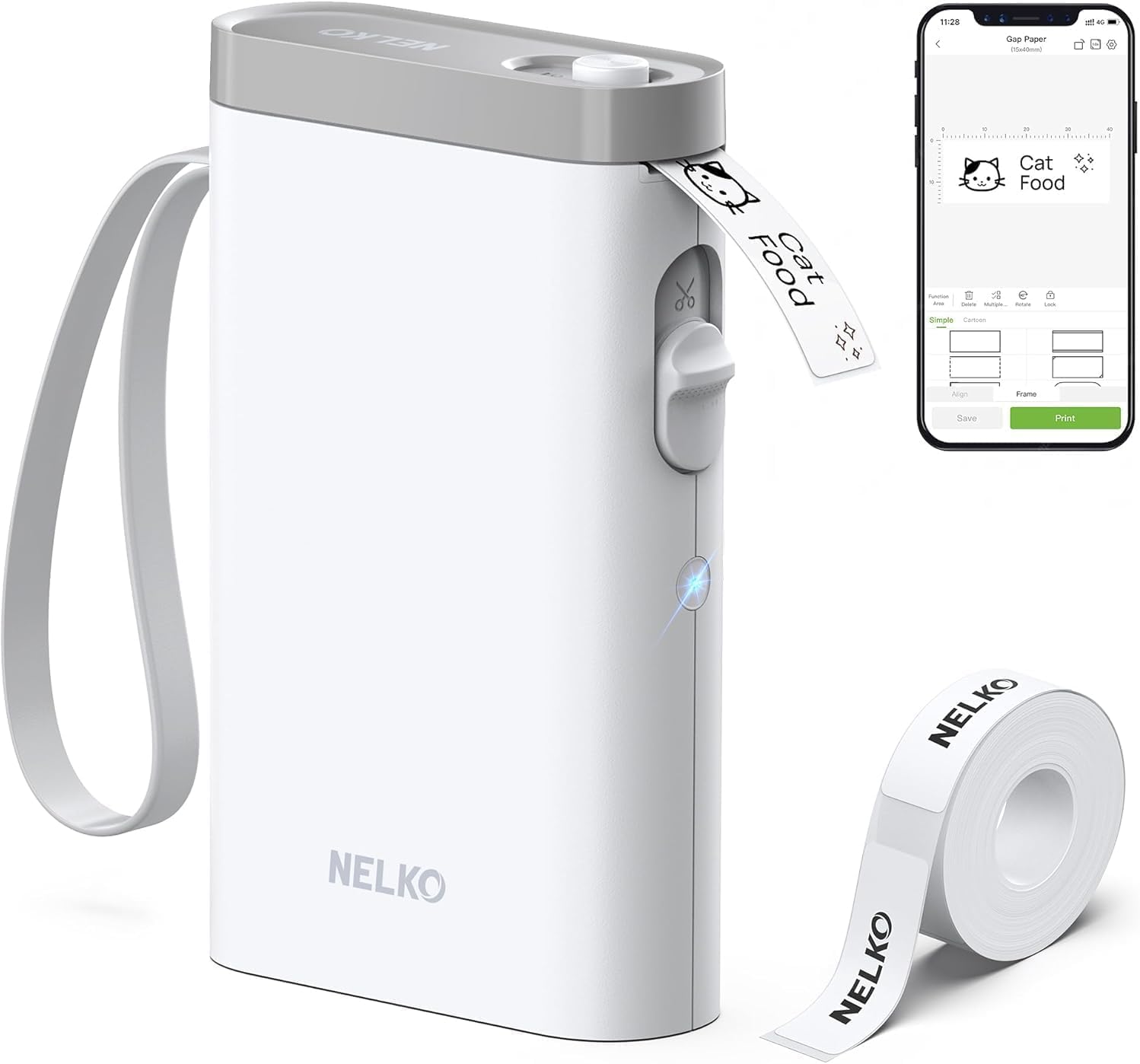
Label Maker
Staying organized becomes much easier when every folder has a clear label. A compact label maker lets you organize financial paperwork, receipt folders, budget binders, tax records and subscription documents so everything is easy to locate throughout the year.
- Create clean professional labels
- Organize folders and binders
- Compact desktop design
- Multiple fonts and label sizes
- Quick and easy setup
Once your bills and receipts start growing, labels save an incredible amount of time. Instead of searching through stacks of paperwork, everything has a clearly marked place that's easy to access.
As an Amazon Associate, ExpenseSplit may earn from qualifying purchases at no additional cost to you.
 💰 Best Budgeting Method
Cash Envelope Budget System
The cash envelope method remains one of the simplest ways to stay within a monthly budget. By assigning cash to categories like groceries, dining, entertainment and fuel, you always know exactly how much is left to spend before the month ends.
- Encourages mindful spending
- Helps reduce overspending
- Works alongside budget planners
- Easy category-based budgeting
- Supports monthly savings goals
ExpenseSplit calculates how shared expenses should be divided. A cash envelope system complements those calculations by helping individuals control future spending and stay on budget each month.
As an Amazon Associate, ExpenseSplit may earn from qualifying purchases at no additional cost to you.
Our Recommended Expense Organization Workflow
The easiest way to stay organized isn't relying on a single product—it's using a simple workflow. Calculate everyone's fair share first, then organize the supporting documents so everything stays easy to find later.
1. Calculate Shared Expenses
Use one of ExpenseSplit's free calculators to instantly determine who owes whom after a dinner, trip, grocery run or shared purchase.
2. Record the Results
Write the final balances inside a budget planner or expense log so everyone has a clear record of payments.
3. Keep Every Receipt
Store restaurant bills, fuel receipts and invoices inside a receipt organizer or scan them digitally for future reference.
4. Stay Organized
Use folders, binders and document organizers to keep important financial paperwork sorted throughout the year.
💡 Why This System Works
ExpenseSplit solves the calculation problem by showing exactly who owes whom. Budget planners and organization tools help you keep those calculations, receipts and financial documents organized long after the payment has been made. Together they create a complete shared expense management system.
Which Budget Planner or Organization Tool Is Right for You?
Every household manages money differently. The best budget planner or expense organization tool depends on your lifestyle, budgeting method, and the types of shared expenses you manage most often.
🎓 College Students
Students often need a simple expense log book, an affordable monthly planner, and a document folder for rent receipts and utility bills. Combined with ExpenseSplit, these tools make sharing accommodation expenses much easier.
❤️ Couples
Couples usually benefit from a premium budget planner, a bill organizer, and a receipt organizer to keep household finances transparent and well documented.
🏠 Roommates
Roommates should consider an expense log book, receipt organizer, and monthly budget planner for tracking rent, groceries, utilities, and household purchases.
✈️ Travelers
Travel planners, receipt organizers, portable scanners, and document folders help organize hotels, transportation, meals, tickets, and reimbursements during trips.
👨👩👧 Families
Families often prefer larger planners, accordion file folders, bill organizers, and financial binders that can handle recurring monthly expenses and long-term financial planning.
💼 Freelancers
Freelancers can benefit from expense ledgers, receipt scanners, document organizers, and planners that separate personal and business spending.
Budget Planner vs Spreadsheet vs Budget Apps vs ExpenseSplit
No single budgeting tool is perfect for every situation. Some are better for planning monthly finances, while others excel at tracking expenses or calculating shared bills. Many people actually combine two or more of these methods to create a complete financial organization system.
ExpenseSplit
Best for Shared ExpensesDesigned to instantly calculate who owes whom after trips, dinners, groceries, rent, fuel, Airbnb stays, subscriptions, and other shared expenses.
- ✅ Free to use
- ✅ No account required
- ✅ Instant calculations
- ✅ Built specifically for shared expenses
Budget Planner
Best for Monthly BudgetingGreat for organizing income, savings, bills, debt payments, and long-term financial goals.
- ✔ Monthly budgets
- ✔ Savings tracking
- ✔ Bill reminders
- ✔ Goal planning
Spreadsheet
Best for Custom TrackingIdeal for people who enjoy creating personalized formulas and detailed financial reports.
- ✔ Fully customizable
- ✔ Powerful calculations
- ✔ Flexible layouts
- ✖ Can become complicated
Budget Apps
Best for AutomationUseful if you prefer automatic expense syncing, recurring transactions, and mobile budgeting.
- ✔ Automatic tracking
- ✔ Mobile access
- ✔ Bank syncing
- ✖ Many require subscriptions
💡 Our Recommendation
Use ExpenseSplit to calculate shared expenses with friends, roommates, family members, or travel groups. Once everyone knows exactly who owes what, record those results in a budget planner to build a complete financial record over time.
Common Expense Organization Mistakes
Even the best planner can't help if important financial habits are ignored. Here are some of the most common mistakes people make when managing shared expenses.
- ❌ Throwing away receipts immediately after paying.
- ❌ Forgetting recurring subscriptions.
- ❌ Waiting weeks before settling shared expenses.
- ❌ Mixing personal and shared purchases together.
- ❌ Forgetting to record cash spending.
- ❌ Losing invoices or warranty documents.
- ❌ Not reviewing monthly spending habits.
- ❌ Relying only on memory instead of written records.
Developing a simple routine—save the receipt, calculate the split, record the expense, and organize the paperwork—can prevent many of these problems.
Continue With Free ExpenseSplit Calculators
Once you've chosen a budget planner or expense organization system, use our free calculators to determine exactly who owes what before recording the results in your planner or expense tracker.
Friends Calculator
Split restaurant bills, outings, parties and shared expenses with friends.
Trip Calculator
Track vacation expenses, reimbursements and travel budgets.
Roommate Calculator
Split rent, utilities, groceries and household expenses fairly.
Grocery Calculator
Calculate everyone's share of grocery shopping quickly.
Restaurant Calculator
Split restaurant bills with tips, taxes and uneven orders.
Gas Calculator
Share fuel costs during road trips and daily travel.
Airbnb Calculator
Divide accommodation costs fairly between every guest.
Subscription Calculator
Split Netflix, Spotify and other recurring subscriptions.
Wedding Calculator
Manage wedding budgets and shared celebration expenses.
Monthly Tracker
Monitor ongoing shared spending throughout the month.
Uneven Split Calculator
Split expenses by percentage or custom contribution.
Who Owes Whom
Calculate reimbursements instantly after group spending.
How to Build an Expense Organization System That Actually Works
Buying a budget planner is only the first step. The real benefit comes from having a simple routine that helps you calculate, record, organize, and review your shared expenses consistently. Whether you're managing finances with roommates, planning group trips, tracking household bills, or organizing family budgets, following the same process every time helps prevent forgotten payments and unnecessary confusion.
Step 1 — Save Every Receipt
Keep receipts for groceries, restaurants, fuel, hotels, shopping, subscriptions, and utility bills. A receipt organizer, accordion folder, or portable receipt scanner makes this much easier and provides a clear record if questions come up later.
Step 2 — Calculate Who Owes What
Once everyone has contributed, use the appropriate ExpenseSplit calculator to determine exactly how much each person owes. This removes guesswork and avoids manual calculations.
Use the Friends Calculator for meals, the Trip Calculator for vacations, the Roommate Calculator for rent and utilities, or the IOU Calculator for reimbursements.
Step 3 — Record the Results
Write the final amounts inside your planner, expense log, or budget binder. Recording balances immediately creates a reliable financial history that can be reviewed later if needed.
Step 4 — Organize Supporting Documents
Store receipts, invoices, warranty documents, and important financial paperwork together. Staying organized makes tax season, reimbursements, and monthly reviews much easier.
Step 5 — Review Your Budget Monthly
Take a few minutes at the end of each month to review spending, identify recurring expenses, remove unnecessary subscriptions, and plan for the following month.
How We Selected These Budget Planners & Organization Tools
This guide isn't simply a collection of random products. We focused on items that help people organize shared finances more effectively after calculating expenses.
When reviewing planners and organization tools, we looked for products that offer practical layouts, clear monthly planning pages, dedicated expense tracking sections, durable construction, and consistently positive customer feedback. We also considered whether each product works well for common ExpenseSplit users, including roommates, couples, travelers, students, and families.
No single planner is perfect for everyone. Some people prefer detailed budgeting systems with savings goals and bill trackers, while others only need a simple notebook for recording shared expenses. That's why this guide includes several different styles so you can choose the one that best fits your budgeting habits.
Our Evaluation Criteria
- ✔ Easy-to-use layouts
- ✔ Monthly and weekly planning pages
- ✔ Expense tracking features
- ✔ Bill payment organization
- ✔ Durable materials
- ✔ Good customer reviews
- ✔ Value for money
- ✔ Suitable for managing shared expenses
Calculate First. Organize Second.
A budget planner helps you stay organized, but before you can record expenses, you need accurate numbers. ExpenseSplit makes it easy to calculate who owes whom, divide shared bills fairly, and keep everyone on the same page.
Use our free calculators below to calculate your shared expenses before recording them in your planner or expense tracker.
Use Free ExpenseSplit Calculators →